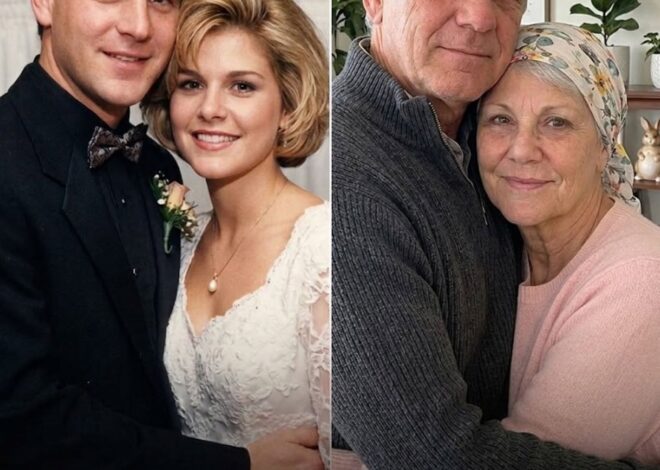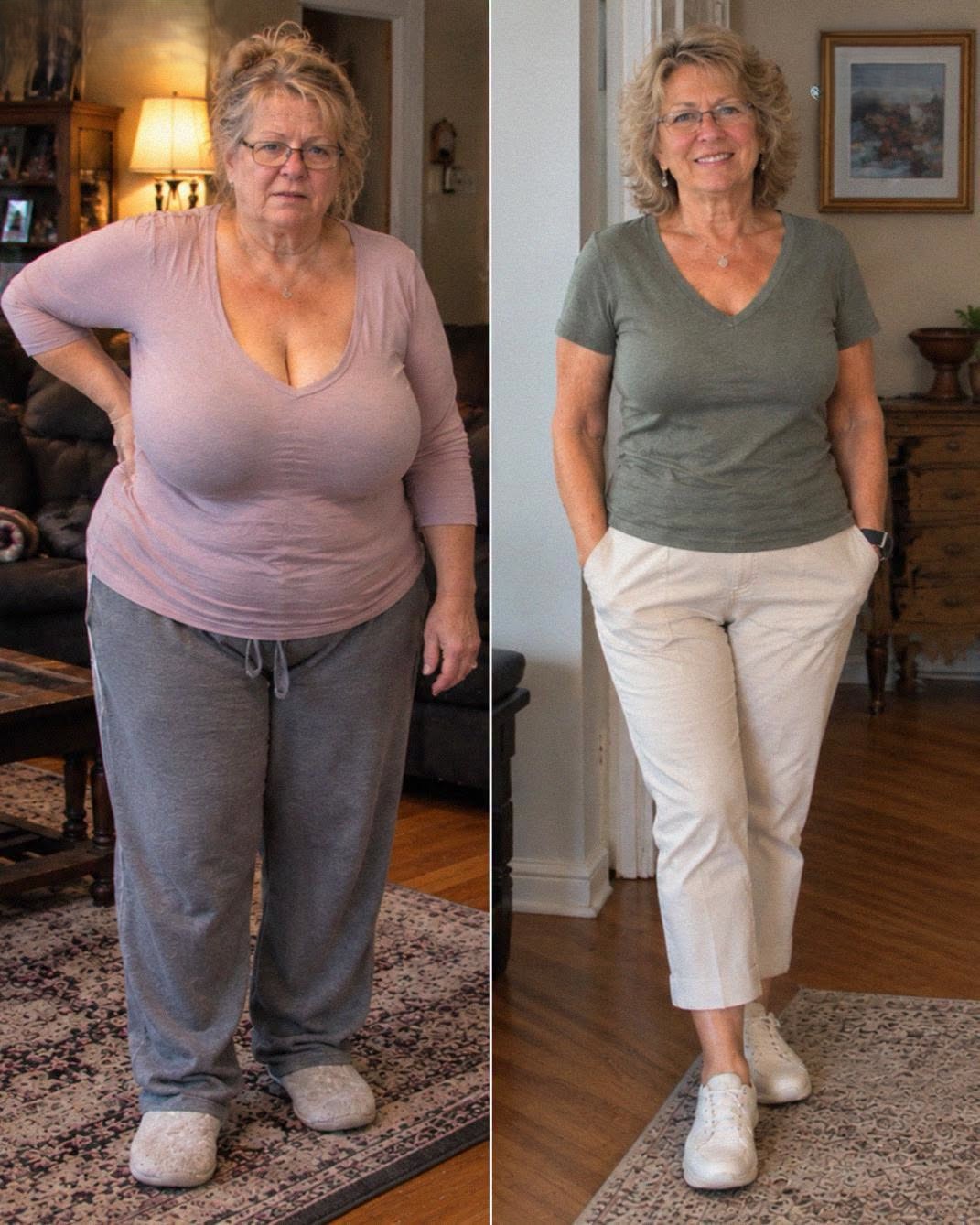
My 70-Year-Old Mom Got Surgery for Her Birthday – When She Came Home, Dad Had Removed Every Mirror from Their Bedroom
So when she turned seventy, she finally did something she had talked about for years.
She scheduled a breast reduction.
Dad hated the idea.
“You’re perfect the way you are,” he kept telling her.
Mom would roll her eyes.
“I’m not doing this so you’ll think I’m prettier.”
“I know that.”
“Then stop saying it.”
She wasn’t trying to look younger.
She wasn’t chasing some fantasy version of herself.
She wanted to garden without her shoulders aching.
She wanted to cook a meal without sitting down halfway through.
She wanted to spend whatever years she had left without constantly negotiating with pain.
The surgery went well.
At least, that’s what I believed when I drove her home two days later.
Dad was waiting for us.
From the second we arrived, he fussed over her.
He carried her bag.
Asked if she needed water.
Wanted to know whether the seat belt had hurt.
He hovered so much Mom finally laughed and told him she had survived surgery and could probably survive walking twelve feet to the bedroom.
Then we walked inside.
Mom stopped.
The large mirror above the dresser was gone.
So was the full-length mirror beside the closet.
Even the little oval vanity mirror she had owned since her twenties had disappeared.
“Brad?”
Dad appeared behind us.
Mom gave an uncertain laugh.
“What did you do?”
He looked at her.
“You shouldn’t look yet.”
“The surgeon already told me about swelling.”
Dad shook his head.
“It isn’t the swelling.”
Something in his voice made me turn.
He looked frightened.
Not nervous.
Not uncomfortable.
Terrified.
Mom’s smile vanished.
“What aren’t you telling me?”
Dad glanced at me.
Then back at her.
“Your surgeon called while you were sleeping.”
My stomach tightened.
Mom stared at him.
“What did he say?”
Instead of answering, Dad walked to the closet.
He reached up and pulled down an old shoebox.
Mom’s entire face changed.
“Where did you get that?”
Dad opened the box.
Then took out a photograph.
Before Mom could even reach for it, someone began pounding on the front door.
I went downstairs.
My aunt Linda stood on the porch.
Mom’s younger sister lived nearly an hour away.
She looked as if she had left home without thinking.
Her hair was pulled into a crooked ponytail.
She wasn’t carrying a purse.
“Chiara.”
She stepped inside.
“Where is she?”
I caught her arm.
“Why are you here?”
Aunt Linda froze.
Her expression answered before she did.
“Your dad called me.”
“When?”
“This morning.”
I heard footsteps upstairs.
Mom appeared at the top of the staircase in her robe.
“Linda?”
Linda looked up.
Then Mom looked at Dad, who had followed her into the hallway.
Something in Mom’s face hardened.
“Everybody upstairs.”
Dad reached for her elbow.
“Cindy, you need to rest.”
“And apparently I need to find out what everyone else already knows.”
Nobody argued.
Back in the bedroom, Mom lowered herself carefully onto the edge of the bed.
“Give me the picture.”
Dad hesitated.
“Brad.”
He handed it over.
I stood beside her as she turned it around.
I recognized my grandmother immediately, although she looked much younger than I remembered.
Mom and Linda stood beside her.
Then I noticed Grandma’s blouse.
One side lay flat against her chest.
I knew she had survived breast cancer.
I knew she had undergone a mastectomy.
But I had never seen that photograph.
Mom had.
Her fingers tightened around it.
She looked at Dad.
“Why are you showing me this?”
Dad sat beside her.
“Because the surgeon found something.”
Mom went completely still.
“In my breast?”
Dad nodded.
“During the reduction, he found a firm mass in tissue they were removing from the left side.”
I felt the blood drain from my face.
Mom barely moved.
“What did he do?”
“The area was already in the tissue being removed. They sent it to pathology.”
“To see if it’s cancer?”
“Yes.”
That one word seemed to change the entire room.
Mom looked down at the photograph of her mother.
“When will we know?”
“They said several days.”
Linda sat beside her.
Mom stared toward the empty wall where the dresser mirror had been.
“And the mirrors?”
Dad rubbed both hands over his face.
“The surgeon said they removed more tissue from that side. He warned me that while you heal, one breast might look noticeably smaller.”
Mom stared at him.
“So you removed every mirror in the room?”
“I didn’t want you to come home, see yourself, and panic before I could explain.”
Mom lifted the photograph slightly.
“This is why.”
Dad nodded.
“The second he said they found a mass, I thought about your mother.”
Mom’s voice became quiet.
“So did I.”
“I knew you would.”
“And you thought hiding every mirror would stop me?”
“No.”
Dad swallowed.
“I thought it might give you a little time.”
He looked toward her bandages.
“You’re bruised. You’re swollen. You’re sore. I didn’t want you seeing yourself and immediately thinking you were going through what she did.”
Mom kept staring at him.
Then she turned toward Linda.
“When did he tell you?”
“This morning.”
“So you knew before I did.”
Linda lowered her voice.
“Cindy, he was scared.”
Mom looked back at Dad.
“You called my sister.”
He said nothing.
“You found an old photograph of my mother after her mastectomy.”
Still nothing.
“You removed every mirror from our bedroom.”
Her eyes filled.
“And I was supposed to come home and take a nap?”
“I was going to tell you.”
“When?”
“Once you were settled.”
Mom looked away.
“That’s what they did when Mom was sick.”
Linda’s eyes dropped.
I sat beside Mom.
“What do you mean?”
Mom ran her thumb across the photograph.
“I was seventeen.”
Her voice had changed.
“Mom went into the hospital, and nobody explained anything.”
She looked at me.
“Dad told us she needed an operation and everything would be fine.”
Relatives came to the house.
They whispered in the kitchen.
Every time Cindy or Linda walked into the room, adults changed the subject.
“I found out what had happened because I walked into her bedroom while she was changing.”
My stomach twisted.
“Nobody told you she had lost a breast?”
Mom shook her head.
“No.”
Dad leaned forward.
“Cindy, I wasn’t trying to do that to you.”
She looked toward the empty wall.
“Then bring me my mirror.”
Dad blinked.
“No.”
Mom’s head snapped toward him.
“Excuse me?”
“You’re two days out of surgery.”
“Bring me the small one.”
“Cindy.”
His voice was gentle, but firm.
“You’re bruised, swollen, bandaged, and you just found out they’re testing tissue for cancer.”
“Exactly.”
“You don’t need to see this right now.”
Mom’s face changed completely.
“That’s what everybody told me when my mother was sick.”
Nobody moved.
“Don’t look.”
Her voice shook.
“Don’t ask.”
She wiped her cheek.
“Don’t worry.”
Another tear fell.
“Let someone else handle it.”
She looked directly at Dad.
“I am seventy years old, Brad.”
Then she said it again.
“Bring me my mirror.”
Dad left the room.
When he returned, he carried the small oval vanity mirror.
Its silver-colored frame had darkened with age.
One corner was chipped.
I had seen it sitting on Mom’s dresser my entire life.
Dad held it out.
Mom took it.
Linda and I helped adjust her robe without disturbing the dressings.
Then Mom looked.
For several seconds, nobody spoke.
The difference was visible even through the postoperative bandages.
One side was more swollen.
The other appeared smaller.
Dad stepped closer.
“You’re still beautiful.”
Mom lifted one hand.
“Please don’t.”
He stopped.
She kept staring.
“It’s ugly right now,” she whispered.
Linda immediately said:
“It’s surgery. It’s allowed to look awful.”
A tiny laugh escaped Mom.
Then tears began sliding down her face.
“I look like her.”
Linda shook her head.
“No.”
She moved closer.
“You look like Cindy two days after surgery.”
Mom lowered the mirror.
“I’ve spent my whole life wondering.”
I sat closer.
“Wondering what?”
“If I would get it too.”
That surprised me more than anything else that day.
Mom never talked about being afraid of breast cancer.
She went for screenings.
Scheduled appointments.
Treated everything practically.
Apparently, fear didn’t always look like fear.
Dad crouched in front of her.
“When the surgeon said ‘mass,’ all I could see was your mother.”
Mom nodded.
“So could I.”
“I thought I was protecting you.”
“You can’t protect me from being scared.”
“I know.”
“No.”
She reached for his hand.
“Be scared with me.”
Dad looked up.
“Don’t be scared for me and then decide what I’m capable of handling.”
He looked down at their joined hands.
Finally, he nodded.
The next morning, Mom asked Dad to repeat exactly what the surgeon had said.
He couldn’t.
He remembered the major details.
But everything else became:
“I think…”
“I’m pretty sure…”
“I believe that’s what he said…”
Mom stopped him.
“Give me the number.”
She called the surgeon herself.
I sat beside her with a notepad while she asked every question.
What exactly had the surgeon felt?
Was the suspicious tissue already inside the portion being removed?
Had anything else looked abnormal?
What would happen after pathology?
Then she asked the question none of us wanted to hear.
“What happens if it’s malignant?”
She listened carefully.
No interruptions.
No one whispering behind her.
No one deciding which part she could handle.
When she hung up, she looked exhausted.
But calmer.
“What did they say?” I asked.
“That we wait.”
She closed the notepad.
“If it’s benign, we discuss follow-up.”
She took a breath.
“If it isn’t, we discuss what comes next.”
Dad was standing in the doorway.
“That’s it?”
“That’s it.”
Mom looked at him.
“I would rather know what I don’t know than have everyone whispering around me.”
That afternoon, Aunt Linda found me making soup.
She was holding the old photograph.
“I remember this day.”
I looked at Grandma standing between her daughters.
“Was it soon after her surgery?”
“Several months.”
Linda smiled.
“She almost refused to take this picture.”
“Because of the mastectomy?”
“No.”
I looked at her.
“Because Cindy kept telling her to move over.”
I laughed.
Later, Linda carried the photograph upstairs.
Mom was awake.
“You know what I remember about this?”
Mom studied the picture.
“What?”
“You bossing everybody around.”
“I did not.”
“You made Dad take three pictures.”
“Because he kept cutting off your head.”
Linda laughed.
Then her expression softened.
“You always talk about Mom’s operation like her life stopped there.”
Mom’s smile faded.
Linda pointed toward the photograph.
“Look at her.”
Mom did.
“That summer she went swimming with us.”
Mom’s eyes shifted.
“She went back to her garden.”
Linda smiled through tears.
“She danced at my wedding.”
Then she added:
“And she complained about my cooking for another twenty years.”
Mom laughed.
“I forgot about the swimming.”
“I know.”
For decades, that photograph had represented one thing to Mom.
Cancer.
Loss.
What had been taken.
But looking at it now, something changed.
Grandma was standing there after the mastectomy.
Alive.
Smiling.
Still herself.
Still living.
We waited four more days.
They were some of the longest days I can remember.
Mom healed a little each morning.
Dad brought breakfast.
Linda stayed for two nights.
I handled groceries and medication reminders.
But nobody pretended we weren’t afraid.
That was Mom’s rule.
If she was scared, she said so.
If Dad was scared, she made him admit that too.
Then, on the fourth afternoon, Mom’s phone rang.
Everyone stopped.
She looked at the screen.
Answered.
“Hello?”
We watched her face.
“Yes.”
A long pause.
Then her shoulders dropped.
“Benign?”
Dad covered his mouth.
Mom closed her eyes.
“Thank you.”
She listened for another minute.
Asked about follow-up.
Then ended the call.
Linda was already crying.
Mom looked at us.
“It’s benign.”
Dad sat down beside her so quickly the mattress shifted.
I wrapped my arms around both of them while Linda leaned over us.
Nobody said anything useful for several seconds.
Then Mom started laughing and crying at the same time.
Dad pressed his forehead against hers.
“I thought I was going to lose you.”
“I know.”
“I’m sorry.”
“I know that too.”
Mom wiped her face.
“But if that call had gone differently, we would have dealt with that too.”
Dad nodded.
“Together.”
“Together.”
She smiled.
“And with all available mirrors.”
Dad laughed.
That evening, he disappeared into the garage.
He returned carrying the full-length mirror.
Then the dresser mirror.
Finally, he brought the small vanity mirror.
This time, he didn’t put it anywhere.
He looked at Mom.
“Where do you want this one?”
“Back where it was.”
He placed it on the dresser.
Mom put Grandma’s photograph beside it.
She didn’t return the picture to the shoebox.
Several weeks later, I stopped by.
Mom was standing in front of the dresser mirror.
Most of the swelling had disappeared.
She was still healing.
Still not perfectly symmetrical.
But she looked more like herself.
She rolled her shoulders backward.
Then forward.
“How’s your back?”
She smiled at me through the mirror.
“Better.”
Dad appeared in the doorway.
For once, he didn’t say:
“You’re perfect the way you are.”
He didn’t tell her she was beautiful.
He didn’t tell her what she should see.
Instead, he asked:
“How do you feel?”
Mom studied herself for a moment.
“Like I’m seventy.”
Dad laughed.
She smiled.
“And like I finally did something good for myself.”
Beside her reflection sat the old vanity mirror.
And beside that, the photograph of her mother.
The picture itself had not changed.
Grandma was still standing there after her mastectomy, smiling between her daughters.
What had changed was what Mom saw when she looked at it.
For most of her life, it had represented fear.
Now it represented something else.
A woman who had been frightened.
A woman whose body had changed.
A woman who had gone swimming afterward.
Who returned to her garden.
Who danced at her daughter’s wedding.
Who lived.
And maybe that was what Dad had finally learned too.
Loving someone does not mean deciding which truths they are strong enough to see.
Sometimes love means standing beside them while they look directly at the thing that scares them.
And staying there while they decide for themselves what it means.

Related Posts
A Wedding Day Surprise—and a Quiet Moment That Changed My Entire Perspective
Three years after Evelyn disappeared without a trace on our wedding day, a housemaid accidentally uncovered something hidden beneath the floor of our old bridal suite.