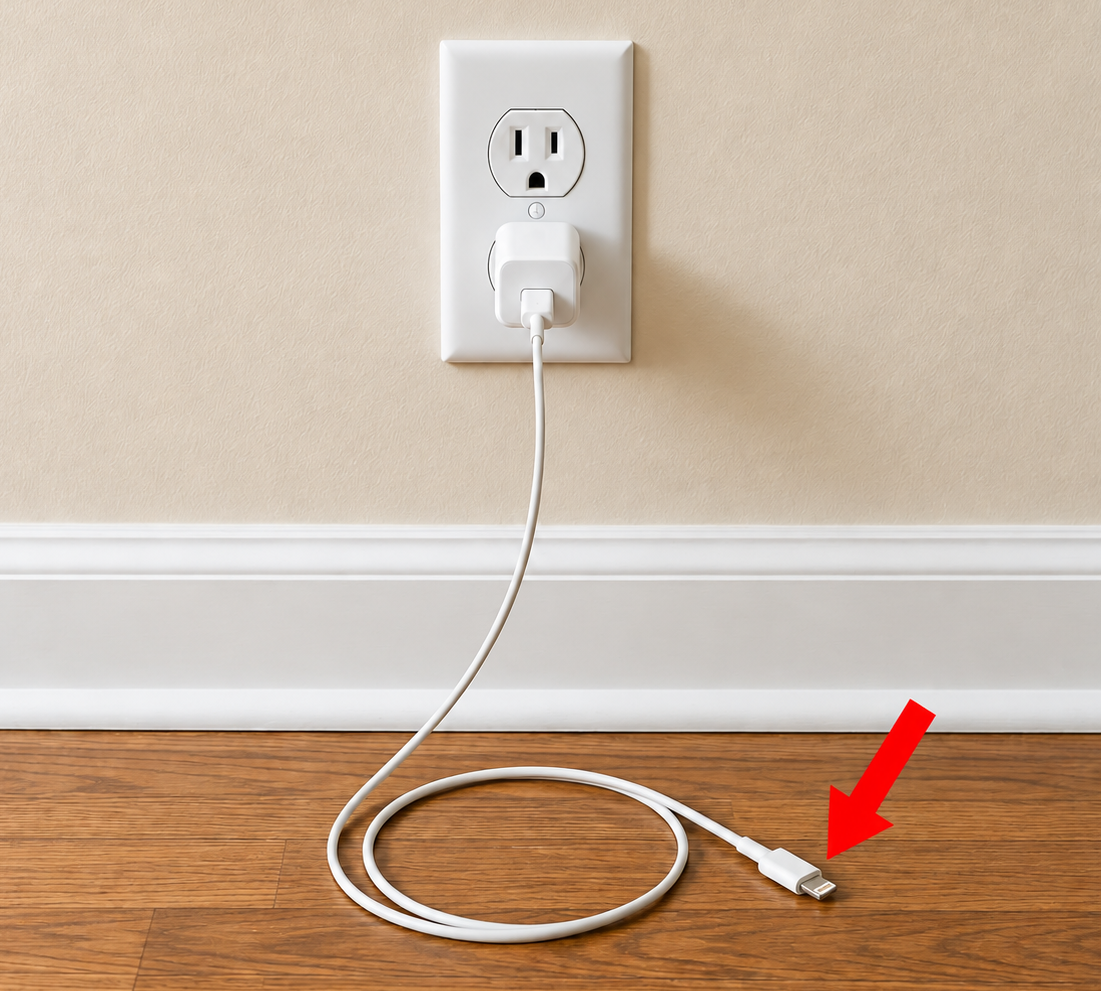
What Happens When You Leave a Charger Plugged In? Risks, Costs, and Safety Tips
In today’s digital world, chargers have become an essential part of everyday life, powering smartphones, tablets, laptops, and countless other electronic devices. Yet many people routinely leave chargers plugged into electrical outlets even when no device is connected. Although this habit may seem harmless, it can have several practical consequences, including unnecessary energy use, gradual wear on charging equipment, and, in certain circumstances, electrical safety concerns.
Understanding these potential risks can help individuals make safer and more energy-efficient choices at home and in the workplace.
Understanding the Energy Consumption of Idle Chargers
Chargers that remain plugged in may continue to draw a small amount of electricity even when they are not actively charging a device. This is commonly known as standby power, phantom load, or “vampire power.”
Modern chargers are generally designed to consume very little electricity when idle, so the impact of a single charger is usually minimal. However, when numerous chargers and other electronic devices remain connected throughout a home or office, the combined energy use can become more noticeable over time.
Unplugging chargers that are not being used is therefore a simple way to reduce unnecessary electricity consumption and encourage more efficient energy habits.

Potential Fire and Electrical Safety Risks
Another consideration is electrical safety. A properly manufactured charger in good condition is generally safe to leave connected to an outlet. However, damaged, defective, counterfeit, or poorly manufactured chargers may present a greater risk of overheating, short circuits, or electrical failure.
The risk can increase when chargers have frayed cables, cracked casings, loose connections, or are used near flammable materials. Electrical problems may also be more concerning in buildings with aging or poorly maintained wiring.
For added safety, chargers should be inspected regularly and replaced immediately if they show signs of damage, unusual heat, discoloration, buzzing, or burning odors. Unplugging chargers when they are not needed can provide an additional level of precaution.
Impact on Charger Lifespan and Performance
Leaving a charger connected to electricity for long periods may also contribute to gradual wear on its internal components. Even when a charger is not actively powering a device, some of its electronic components remain energized.
Although high-quality modern chargers are designed to withstand extended use, repeated exposure to heat and electrical current can contribute to aging over time. Keeping chargers unplugged when they are not required may help reduce unnecessary stress on their components and potentially extend their useful lifespan.
Proper storage is equally important. Chargers should be kept in a cool, dry location and protected from moisture, excessive heat, and physical damage.

Environmental Effects of Unnecessary Energy Use
Energy efficiency is also an environmental consideration. Electricity consumed unnecessarily—even in small amounts—contributes to overall household and commercial energy demand.
The environmental impact of a single idle charger may be very small, but millions of electronic devices consuming standby power collectively can have a much greater effect. Depending on how electricity is generated, unnecessary power consumption can also contribute indirectly to greenhouse gas emissions.
Developing simple habits such as unplugging unused chargers, switching off power strips, and choosing energy-efficient electronics can help reduce overall electricity demand and support more sustainable energy use.
Economic Impact on Electricity Costs
The financial cost of leaving one charger plugged in is generally modest, particularly with newer energy-efficient models. However, households and businesses often have many chargers and electronic devices connected at the same time.
When combined with televisions, computers, appliances, entertainment systems, and other equipment that consumes standby power, these small amounts of electricity can gradually increase overall energy costs.
Unplugging devices that are not needed may therefore contribute to modest savings while also encouraging greater awareness of household energy consumption.
Using Smart and Connected Chargers Responsibly
Some modern charging devices include additional features such as wireless connectivity, USB hubs, smart controls, or integration with connected-home systems. Devices with networking capabilities should be treated like other smart electronics and kept updated according to the manufacturer’s recommendations.
For ordinary chargers without connectivity features, cybersecurity is generally not a significant concern. However, consumers should still purchase chargers from reputable manufacturers and avoid unknown or counterfeit products, which may not meet appropriate electrical or data-security standards.
Using certified accessories also helps protect both the charging device and the electronics connected to it.

Conclusion: Best Practices for Safe Charger Use
Leaving a modern, high-quality charger plugged into an outlet is not necessarily dangerous, and its standby electricity consumption is typically very small. Nevertheless, unplugging chargers when they are not needed remains a sensible habit that can improve safety, reduce unnecessary energy use, and potentially extend the life of charging equipment.
For safer and more efficient charger use, choose reputable products that meet recognized safety standards, inspect cables and adapters regularly for damage, keep chargers away from moisture and excessive heat, and avoid covering them while they are operating.
Small habits can make a meaningful difference over time. By using chargers responsibly and paying attention to their condition, households and workplaces can improve electrical safety, reduce wasted energy, and help electronic devices perform reliably for longer.
Disclaimer: Information is for reference only

Related Posts

Couple Adopts Rescue Dog Before Even Meeting Him But When The Door Opens To Reveal Him They ‘Lose-it’

A Woman Paid Her 79-Year-Old Neighbor’s Electric Bill When She Couldn’t Afford It – The Next Day, She Opened Her Door, and What She Saw Made Her Knees Go Weak