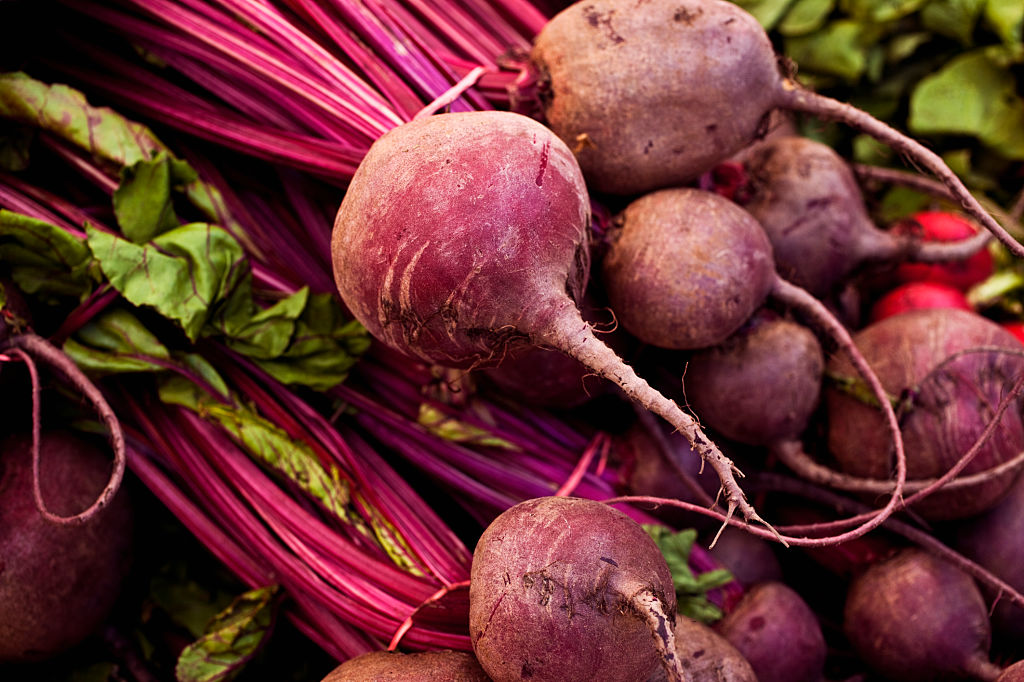
Beets are widely celebrated as a superfood—rich in antioxidants, essential vitamins, fiber, and natural nitrates that support heart health, digestion, blood flow, and even athletic performance.

However, while beets are incredibly nutritious, doctors caution that they are not suitable for everyone. For certain individuals, beets may actually pose health risks rather than benefits.
If you enjoy beets or beet juice, here are three groups of people who should limit or avoid them, and what health experts recommend instead.
1. Individuals Prone to Kidney Stones
Beets contain high levels of oxalates, compounds that can bind with calcium in the kidneys. For most people this isn’t a major concern, but for anyone prone to kidney stones—especially calcium oxalate stones, the most common type—oxalate-rich foods can increase risk.

Why Doctors Issue This Warning
- Oxalates from beets can crystallize inside the kidneys.
- This raises the likelihood of painful stones that may require medical intervention.
- People with a personal or family history of kidney stones are particularly vulnerable.
Healthier Alternatives
- Limit portions of beetroot and beet juice.
- Drink plenty of water to help flush out oxalates.
- Choose low-oxalate vegetables like cucumbers, lettuce, broccoli, and cauliflower.
If you experience recurring kidney stones, your doctor may recommend avoiding beets altogether.
2. People With Naturally Low Blood Pressure (Hypotension)
One of the biggest health benefits of beets—their ability to lower blood pressure—can become a risk for people who already have low blood pressure.
Beets are rich in nitrates, which expand and relax blood vessels. While this effect can help those with hypertension, it may cause unhealthy drops in individuals whose blood pressure is already below normal.

Why This Group Should Be Careful
- Beets may cause blood pressure to drop even further.
- Symptoms can include dizziness, fainting, blurred vision, and extreme fatigue.
- When combined with blood pressure–lowering medications, the effect may be intensified.
Expert Recommendations
- Monitor your blood pressure closely when consuming beets or beet juice.
- If you frequently feel lightheaded or weak, consider avoiding beets.
- Consult your doctor if you take BP-lowering medication.
For individuals with hypotension, beets may worsen symptoms instead of offering benefits.
3. People With Diabetes or Unstable Blood Sugar Levels
Beets are often considered a healthy vegetable option, but they contain natural sugars and have a moderate glycemic index (GI). This means they can raise blood sugar levels more quickly than many leafy or non-starchy vegetables.

Why Doctors Warn This Group
- Large amounts of beets may cause noticeable blood sugar spikes.
- Beet juice contains little to no fiber, causing even faster glucose absorption.
- Some diabetics may struggle to stabilize their blood sugar afterward.
How to Consume Beets Safely
- Opt for small portions of whole, cooked beets.
- Avoid beet juice, or blend it with low-sugar vegetables like spinach, celery, or cucumber.
- Pair beets with a source of protein or healthy fats to balance blood sugar response.
Diabetics do not necessarily need to eliminate beets, but moderation and careful monitoring are essential.

Final Thoughts
Beets are nutritious, colorful, and versatile—but they are not a one-size-fits-all food.
Doctors advise that individuals with:
- Kidney stones
- Low blood pressure
- Diabetes or unstable blood sugar
should be especially cautious when adding beets to their diet.
If you fall into one of these categories, it’s best to discuss beet consumption with your healthcare provider.
For most people, though, beets can be a powerful addition to a balanced, healthy lifestyle—as long as you enjoy them wisely.
Disclaimer: Content is provided for informational purposes only and is not intended as a substitute of medical advice. Seek guidance of your doctor regarding your health and medical conditions.